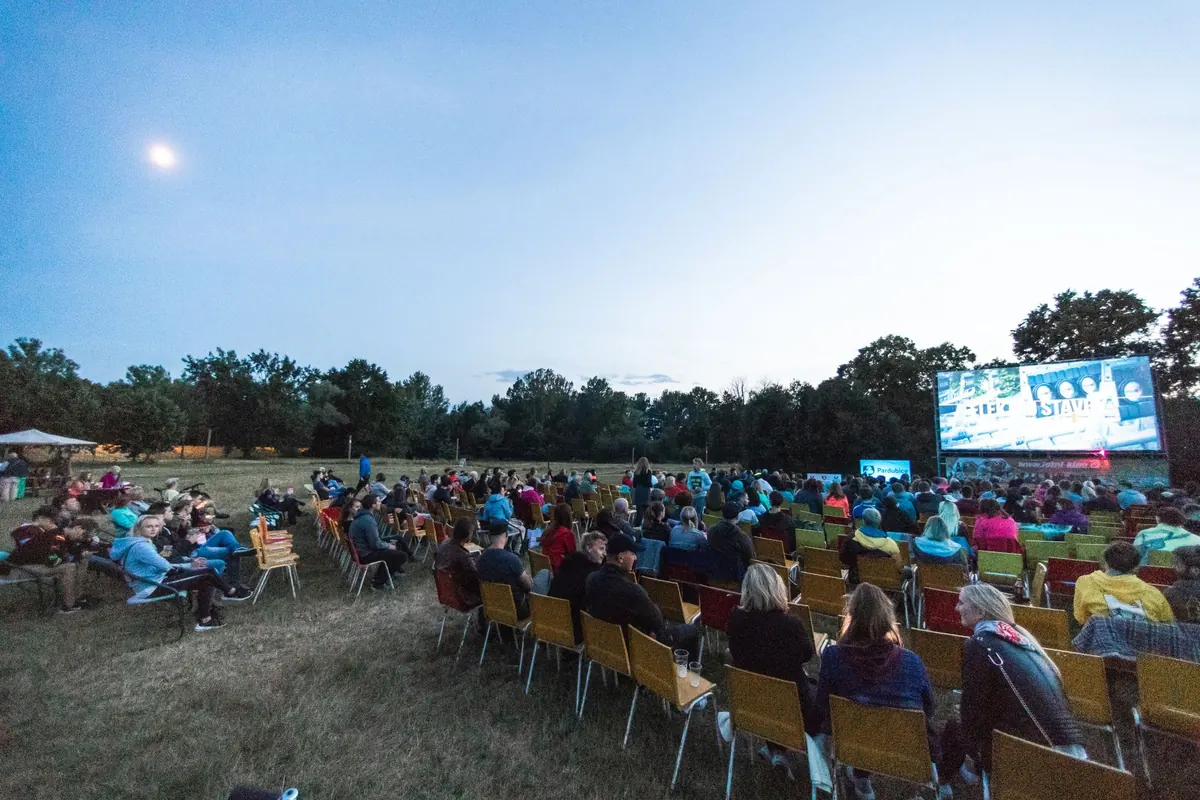
The first open-air cinema night of the season has a way of catching people out. You arrive in daylight, find a spot, and then the sun drops behind the ridge and the temperature follows. The film is still wonderful, but the person who came in shorts and a T-shirt is already borrowing a jacket. A little planning makes the evening feel effortless: the right chair, an extra layer, something to eat, and a plan for the walk back to the car. None of it is complicated, and most of it fits in one bag.
Most open-air screenings in the valley have simple rules about seating, but they are not always the same. Some venues offer rows of chairs; others expect you to bring your own. Before you leave, check the event notice or ask at the ticket desk. If chairs are allowed, choose a low-back folding model. High-backed camp chairs are comfortable, but they can block the view for the people behind you, and some organisers ask you to leave them at home.
If the screening is on grass, a waterproof picnic blanket is worth more than it looks. It keeps the damp out and gives you a clean spot to put bags, shoes or a jacket. Add a small cushion or a folded fleece for your back. A ground sheet under the blanket is a good idea after rain, and a couple of heavy items — a water bottle, a bag, a book — stop the corners from flapping in the breeze.
Take both if you can carry them easily. A chair suits longer films and older backs; a blanket is better for children, for a picnic before the film, and for anyone who wants to stretch out. If space is tight, a chair with a low back and a blanket over your knees covers most situations.
Daytime warmth is a poor guide to how the evening will feel. Once the sun goes down, the valley can turn cool quickly, especially near water or open fields. The trick is to dress for the second half of the film, not the walk to the screen. A light T-shirt, a mid-layer such as a fleece or cardigan, and a thin windproof jacket will handle most nights. Add a scarf or a warm hat if you feel the cold easily.
Bring something for your legs, too. A blanket over your knees makes a surprising difference, and a pair of thick socks is easy to tuck into a bag. Avoid wearing only sandals if you will be walking back in the dark; closed shoes are safer on uneven ground and keep your feet warmer. If the forecast is uncertain, take a packable rain jacket. An umbrella can be useful before the film starts, but it will block someone’s view once the screen lights up, so keep it low or leave it at home.
A picnic before the film is part of the pleasure for many people. Pack food that travels well and does not need much fuss: bread, cheese, fruit, nuts, small sandwiches, a slice of cake. Avoid anything that needs cutting with a sharp knife or that leaves a lot of mess on your lap. If you are bringing a flask of tea or coffee, check that the venue allows hot drinks; some do, some do not.
Noise matters more than you might think. Crisp packets, clinking bottles and rustling wrappers carry across a quiet field. Decant snacks into small containers or paper bags at home, and open drinks before the film begins. Bring a bottle of water for everyone, even if you are also bringing something else. A small rubbish bag is essential: take your leftovers and packaging home with you, or use the bins the organisers provide. If the event is alcohol-free or has rules about glass, respect them; they are usually there for safety and for the comfort of families.
Once the light fades, insects often come out. A repellent that suits you is worth packing, along with a small pack of wipes. Apply it before you settle down, and pay attention to ankles, wrists and the back of your neck. Read the label and follow the instructions; if you have sensitive skin, are pregnant or are buying repellent for a child, ask a pharmacist for advice. Strong perfume and scented lotions can attract insects, so keep those for another night.
The small comforts add up. A small torch or a phone light helps you find your way back to the car, but keep it pointed down once the film starts. Tissues, a damp cloth in a bag, and hand sanitiser are useful if you are eating with your hands. A spare tote bag holds rubbish, a discarded layer or a blanket that gets damp. If you wear glasses, a microfibre cloth is a tiny item that saves a lot of squinting. None of this needs to be expensive; it is mostly about putting things in one place before you leave.
Open-air cinema nights are not the place to arrive exactly at the advertised start time. The film may begin at dusk, but the site usually opens earlier. Aim to arrive with enough daylight to park, walk to the screening area, and set up without rushing. Thirty to forty-five minutes is a comfortable buffer for most people, and it gives you a choice of spots rather than a seat at the edge.
If you are meeting friends, agree on a landmark near the entrance rather than trying to find each other in the dark. Have your ticket or confirmation ready on your phone, and save a screenshot in case the signal is poor. Keep your bag close and your chair low. Once the film starts, move quietly and avoid shining a light across the screen. Organisers often ask people not to reserve spaces with bags for long periods; if you want to save a spot for someone arriving later, ask a steward what is allowed.
Pack the bag the night before so you are not hunting for things at the last minute. A simple kit covers almost every open-air screening in the valley:
Leave the tall chair, the glass bottle and the noisy packaging at home. Arrive early, set up in daylight, and settle in. The best open-air cinema nights are not the most elaborate; they are the ones where you are warm, comfortable and not thinking about the walk back. A little preparation buys you that, and then the film can do the rest.
Photo: Son Tung Tran / Pexels
Pricing by instinct, invisible signs and a cash-only tin cost new stallholders more than they realise. Practical...

A practical comparison of the weekly market and the village shop — on price, freshness, opening hours and selection...

A practical listening guide to the dialect phrases echoing around the valley's market stalls, with pronunciation...

Local news and stories from the valley.
