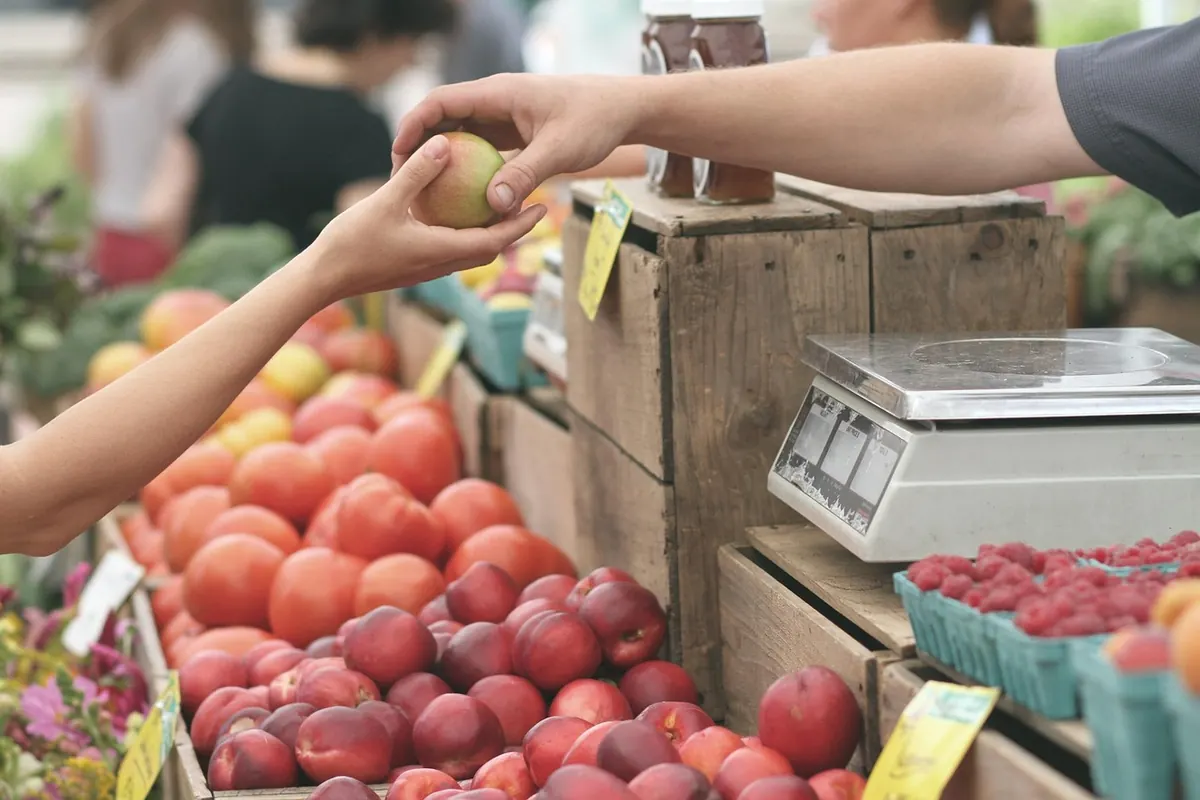
Saturday morning, half past eight, and the market has already found its rhythm. Crates come down off the vans, awnings snap open, and the first voice you hear is not asking you anything you recognise. You point at the tomatoes. The woman behind the crates says something short and cheerful that ends in pòta, then something longer that includes ciapa and madùr, and hands you a paper bag. You have just completed a transaction in a language you didn't know you were supposed to learn.
Good news: the market is the friendliest classroom in the valley. Vendors want you to buy, which means they will repeat themselves, point, hold up three fingers, and eventually write the price on the back of a receipt. You don't need grammar. You need a handful of words, an ear for the rhythm, and the willingness to look slightly confused for a week or two.
Every village spells its own dialect differently, and nobody is going to correct your vowels. The spellings below are phonetic approximations, written the way the words tend to land on a foreign ear. Treat them as a listening kit rather than a dictionary.
Two pronunciation habits will get you most of the way. First, final vowels get swallowed: bona becomes something like "bòna" with the last sound almost clipped. Second, the s in front of a consonant often turns into a soft "sh" — so scià sounds closer to "shah" than "see-ah". Consonants are doubled in writing far more often than in speech. Speak slowly, smile, and let the vendor speed up again.
Before any shopping happens, there's a greeting exchange, and it moves fast. Bondì (bohn-DEE) covers the whole morning; bonasera takes over after lunch. You'll hear ciao too, but between a customer and a vendor it usually signals familiarity rather than first contact.
Then come the small words, the ones that hold sentences together:
Numbers are where visitors lose the thread. The local forms are close enough to standard Italian to be misleading — dù for two, tri for three, quatòr for four — but they arrive quickly, without the pauses you'd expect, and often mixed into a sentence about ripeness rather than quantity.
The reliable question is quant che l'è? (kwant keh LEH) — how much is it? Say it once, clearly, and let the answer land. If the number still escapes you, two backups work in any stall: hold out a coin or a note and raise your eyebrows, or ask the vendor to write it down. Nobody finds this rude. Market sellers deal with visitors all season and are used to being handed a phone calculator with a number on the screen.
Weights behave the same way. Un chili is a kilo, mezz'etti is half a hectogram — a small handful, the amount you'd buy to try something. When a vendor scoops more than you asked for and says un po' de più, they are telling you it's a little over, and inviting you to accept it. You can accept it or hold up a hand and say domà quel — just that much.
The most useful discovery for a visitor is that negation and emphasis live in tiny particles rather than in the verb. Listen for mia or miga (MEE-ah / MEE-gah): it means "not", and it slots in after the verb. Me piasi mia — I don't like it. L'è miga bòn — it's not good. Once you can hear it, half the conversations around you rearrange themselves into sense.
Other small words worth catching:
Food talk is where the dialect earns its keep, because the adjectives are doing an argument. Madùr (mah-DOOR) means ripe, and it is the single most common thing said to you over a crate of fruit. Frèsch (fresh) turns up on greens and cheese. Dòls (dohlss) and brusch (broosk) describe sweet and sharp, and they are how a vendor steers you: the sweet pears are for eating now, the sharp ones are for cooking.
You'll also hear tèra — earth — used as a compliment and a complaint at once. Potatoes con la tèra are unwashed and keep longer. Salad senza tèra is ready to eat. If a vendor calls something rusch, they mean rough, rustic, unpolished; applied to a person, it means grumpy. The valley is not subtle about this.
Understanding a word and deploying it are different skills. Dialect between locals is a membership signal, and a visitor who drops in a single pòta at the wrong moment can sound like a parody. Use what you learn to follow the conversation, answer questions, and be pleasant — not to perform.
Two specific cautions. Bela works from a vendor to a customer; from a stranger to a young woman it can curdle. And pòta, delivered too enthusiastically, reads as mockery rather than friendliness. A quiet grasie, bondì will take you further than an accent you haven't earned.
Nothing here requires study. Go early, when there's time to talk, and work through this in order:
Local markets are forgiving places. The same vendors set up in the same square every week, and by your third visit you will hear pòta and madùr as words rather than noise. That's the whole trick — repeated mornings, small purchases, and the patience to let the valley talk at its own speed.
Photo: Pexels / Pixabay
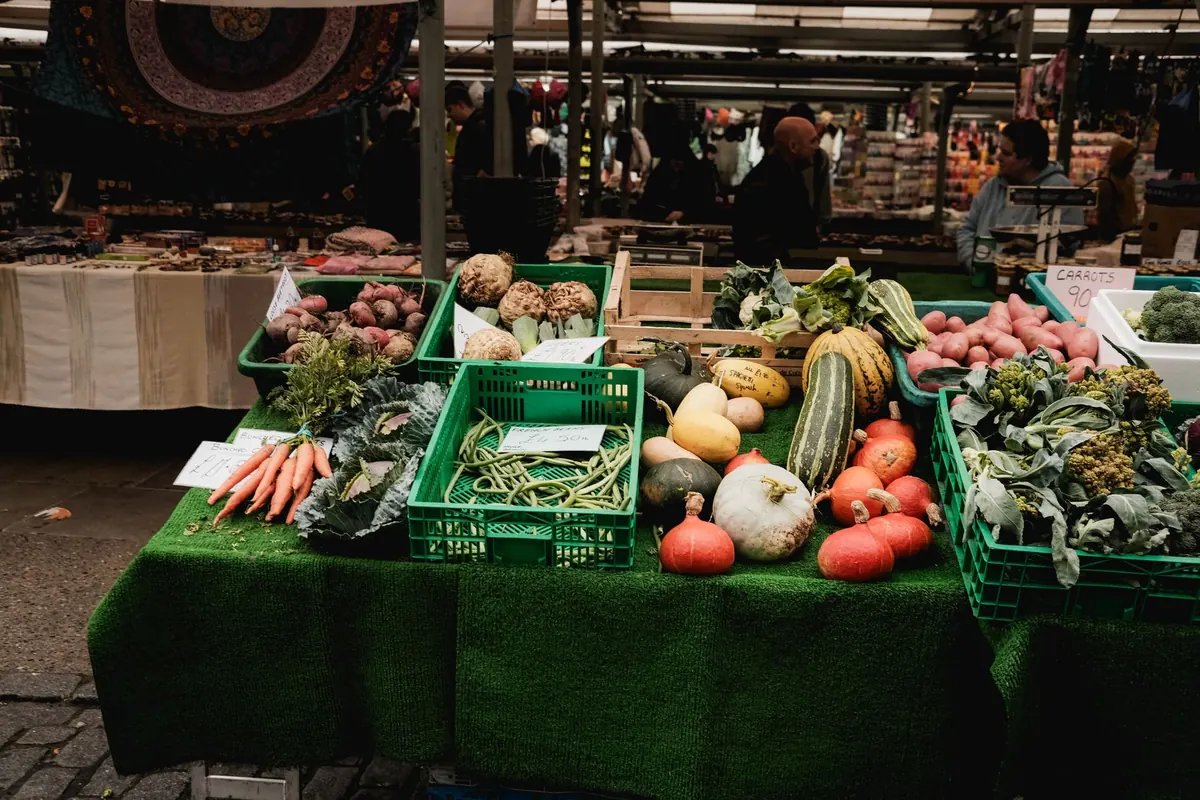
Pricing by instinct, invisible signs and a cash-only tin cost new stallholders more than they realise. Practical...
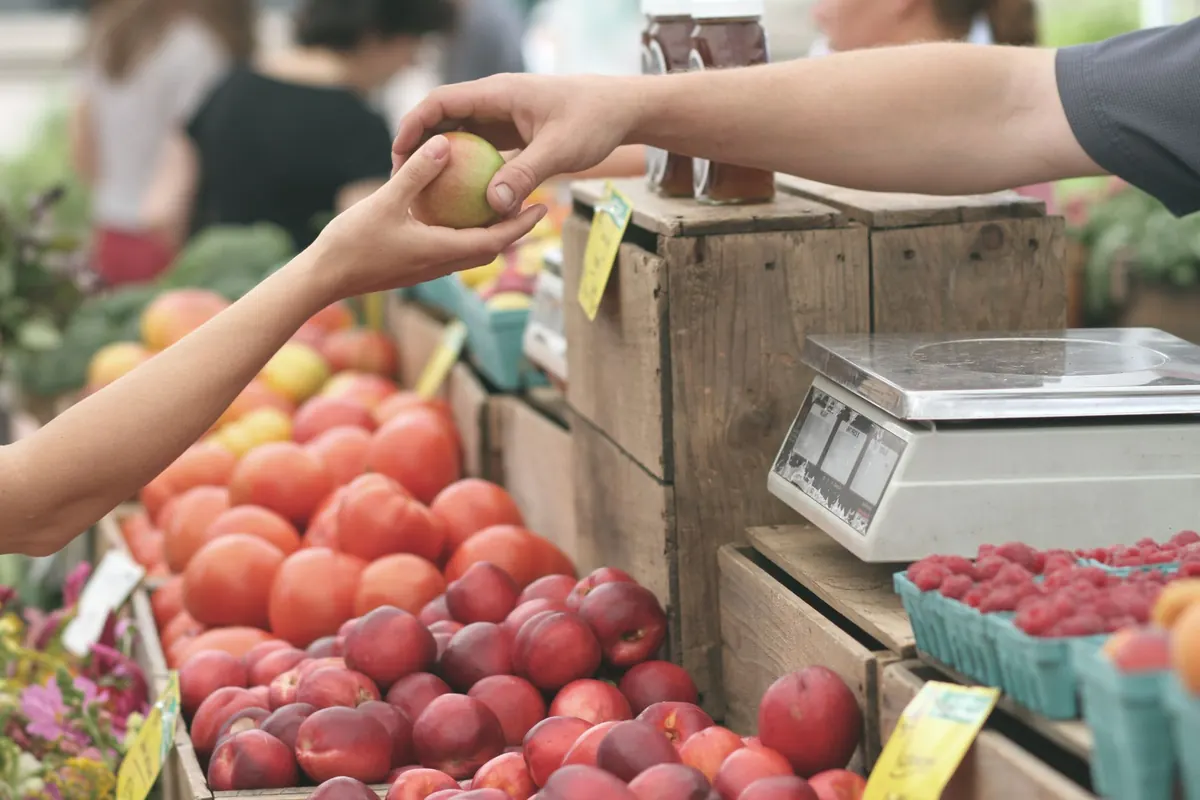
A practical comparison of the weekly market and the village shop — on price, freshness, opening hours and selection...
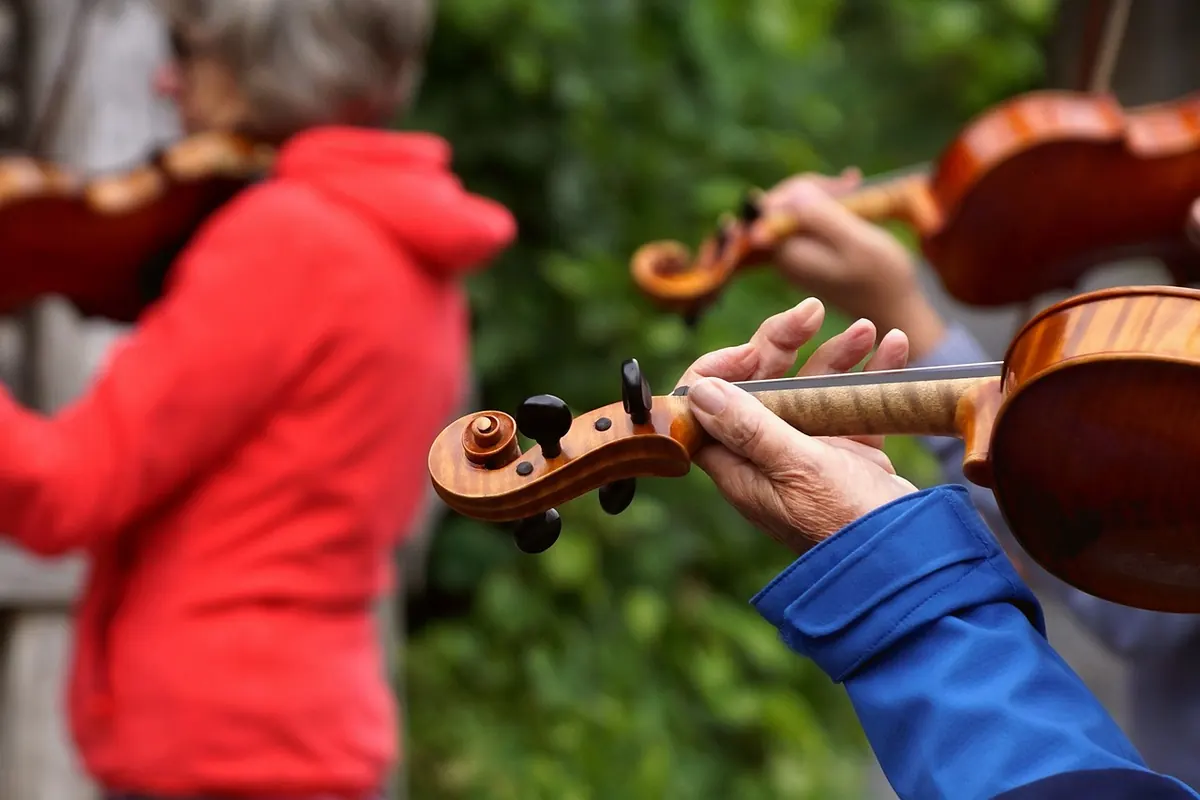
A plain-spoken guide to the valley's monthly folk sessions: how the evening runs, what listeners should do, and how...

Local news and stories from the valley.
