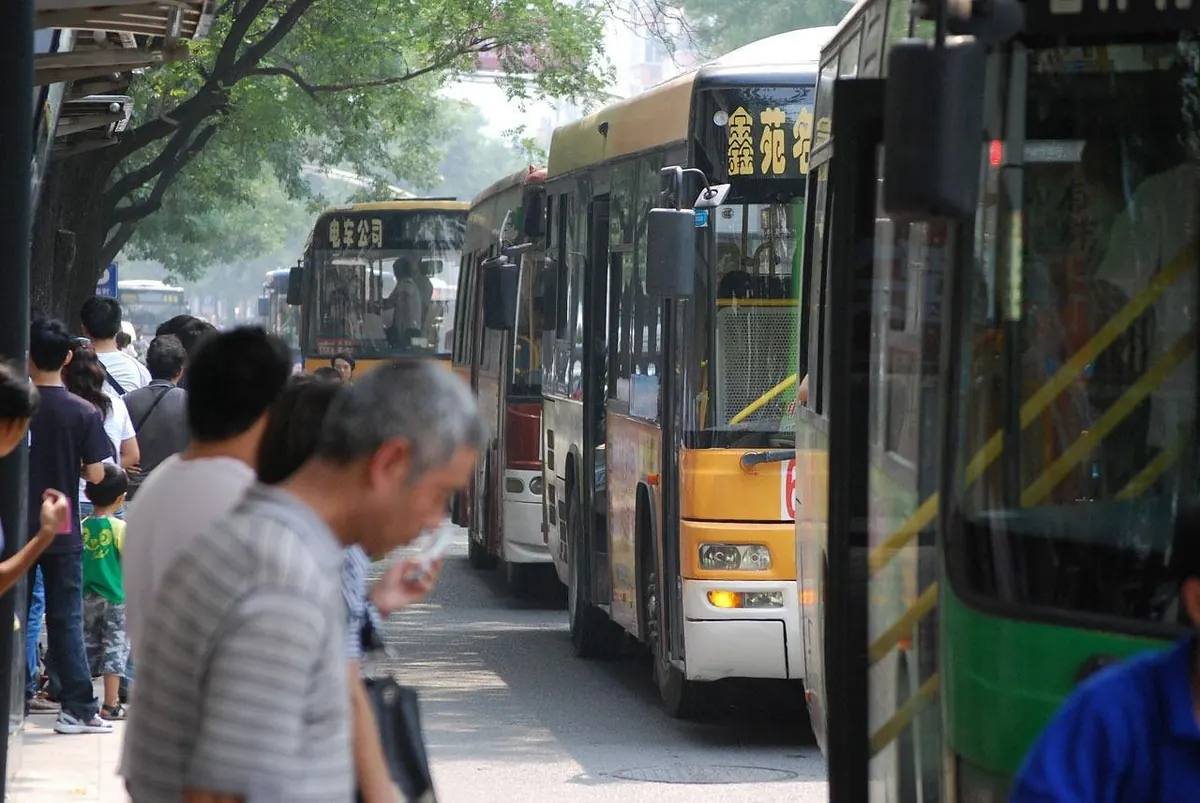
Spring timetables are rarely beach reading. This year’s are worth a look anyway. The valley bus network is being redrawn from the last Sunday in March, and the changes are not just cosmetic: several villages get a faster connection to San Marco, one market-day route is extended, and a handful of familiar direct runs disappear. The fares are not moving much, but the rules around tickets are being tidied up, which matters if you change buses or travel with children.
If you use the bus once a week for shopping, the headline is simple. If you rely on it for work or school, read the small print. A missed connection in Fontana can add half an hour to a morning, and the new timetable has a few tight turns.
The spring timetable takes effect on the last Sunday in March and runs until the middle of June. The valley transport office has published the new route pattern at the depot, at the main stops and on the noticeboards in each village. The printed booklet is thinner than last year’s, mainly because the old return ticket is being retired and some duplicate school-day runs have been merged.
The biggest structural change is on the Valley Line, Route 1, which links Riva, Molino, Ponte di Sotto, San Marco and Fontana. It keeps its hourly pattern for most of the day, but gains three extra midday runs from Riva: at 9:40, 11:40 and 13:40. Those are aimed at shoppers and older residents who found the gap between the late morning and early afternoon bus too long. The last bus back from Fontana is unchanged on weekdays, but on Saturdays it leaves ten minutes earlier, at 18:20.
Route 2, the Upper Valley service, is where regular commuters will notice the most difference. The 7:10 direct from Bosco Alto to San Marco is withdrawn. In its place, a 7:05 bus runs from Bosco Alto to Fontana, where riders can connect to the 7:20 Valley Line service to San Marco. The connection is officially protected, which means the Valley Line waits if the Upper Valley bus is running late. That is the theory, at least. In practice, allow a few minutes of slack on the first week.
The route numbers are staying the same, which helps. The stops are mostly unchanged too, with one exception: the request stop at the old mill on the road out of Molino is being closed. Riders there are asked to use the stop at the Molino crossroads, about a four-minute walk away. The transport office says the old mill stop was too close to a bend and had no safe place to wait.
Vetto gains the most useful new departure. The 6:40 to Fontana gives early workers a realistic connection to San Marco and Riva without relying on the later bus. Pian di Sotto also benefits, because the same Route 3 run now calls there at 6:52 instead of starting later in the morning. Bosco Alto keeps its weekday service and gains the Thursday market bus, which means shoppers no longer have to change at San Marco with bags. Fontana becomes a more important interchange, with more people changing there, but it also gets a small improvement: the shelter is being kept open longer in the morning, from 6:30 rather than 7:00.
No village loses its bus altogether, which is worth saying plainly. But three places lose a direct run. Castelvecchio loses the 17:40 direct from San Marco; riders will need the 17:30 to Fontana and a change onto Route 2. Bosco Alto loses its 7:10 direct to San Marco, as mentioned above. Molino keeps all its buses but loses the old mill request stop. For anyone with limited mobility, the walk to the crossroads is the change to test before relying on it.
The school-day picture is mixed. The morning school run from Castelvecchio to San Marco is unchanged, but the afternoon duplicate that left San Marco at 15:50 is being merged with the 16:05 service. That means a fuller bus, not a missing one. Parents of younger children may want to check the stop arrangements on the first afternoon, because the merged bus uses the main stand rather than the school gate.
Fare levels are unchanged this spring. What is changing is how tickets are used. The old return ticket is being phased out; riders who buy one before the change can use it until the end of April. After that, the day ticket replaces it for most return journeys. A single ticket remains valid for 90 minutes in one direction, including a change of bus, provided you are not doubling back. That matters for the new Fontana connection: a Bosco Alto to San Marco journey with a change at Fontana counts as one journey, not two.
One practical warning: the 90-minute rule applies from the time the ticket is stamped, not from the time the bus departs. If you buy on board at Fontana and the connection is delayed, keep an eye on the clock. Drivers can issue a new ticket, but they cannot extend an old one.
The new timetable is built around connections at Fontana and San Marco. That is efficient on paper, but it leaves less room for error. The 7:05 from Bosco Alto and the 7:20 from Fontana are protected, but the 7:52 from Vetto onto the 8:05 at Fontana is not. If you are using that one for work, take the earlier 6:40 for the first week and see how it behaves.
Late buses are another point to check. The Friday and Saturday evening service keeps its times, but the Saturday 20:40 now stops at San Marco. Anyone going on to Fontana will need to arrange a lift or use the earlier 19:40, which still runs through. That is the kind of detail that is easy to miss on a printed timetable, especially after a long day.
Do not rely on memory for the first week. Take five minutes before the change and run through the following:
The transport office is keeping a printed notice at the depot and at the main stops for the first month. If a connection fails or a bus is consistently full, report it at the depot rather than only among neighbours. Timetables are reviewed after the spring change, and the cases that get fixed are usually the ones that get written down.
Pricing by instinct, invisible signs and a cash-only tin cost new stallholders more than they realise. Practical...

A practical comparison of the weekly market and the village shop — on price, freshness, opening hours and selection...

A practical listening guide to the dialect phrases echoing around the valley's market stalls, with pronunciation...


Local news and stories from the valley.
